February 14, 2026
Social Media Engagement Is Down - And That's OK
“Likes are down. Attention is selective. Standards are higher.”
“Likes are down. Attention is selective. Standards are higher.”
More than 70% of diners discover restaurants online — yet organic engagement on social media now averages under 5%, making visibility harder and more expensive than ever. As of early 2026, Instagram engagement fell 26% year-over-year. But here’s the reality: engagement is declining. Not because people don’t see your content, but because they’re overwhelmed and there is ZERO benefit to them to interact. The people who care the most about engagement are influencers and businesses. NOT consumers. But here's what really matters - REACH. Social media reach measures the total number of unique users who see your content (visibility/awareness). Engagement measures how actively those users interact with the content—such as likes, comments, shares, and clicks.
Why the drop in engagement?
• Content Overload – Users scroll through thousands of posts per day. It’s too much.
• Algorithm Changes – Organic reach now averages under 5%. It’s largely pay-to-play.
• User Fatigue – Screen time is being reconsidered. Sensory overload is real.
• Shift to Private Spaces – Engagement is moving to DMs, group chats, and real-life interaction.
• Too Much Selling – When every post is a promotion, people tune out.
People are still watching. They’re just not liking, commenting, and sharing the way they used to. So, what should a small business do?
1. Reinvest in Email Marketing - Email is resurging because it’s permission-based. These are consumers who asked to hear from you. This is a warmer audience than social ever was. Your job is simple:
• Deliver value
• Offer exclusive promotions
• Share recipes, invitations, and insider updates.
2. Rethink Your Social Media Strategy - Stop leading with “buy now.” Start leading with content that's
• Entertaining
• Educating
• Humanizing
Sell less. Connect more.
3. Diversify Your Platforms
• Add a Blog: Great for SEO. Organizes content so customers find you on their timeline, not yours.
• Collaborate: Influencers, mom groups, social and professional platforms, and fellow businesses expand your reach authentically. Reach someone else's audience.
• Optimize Google Business: Fresh photos and updates improve local search visibility —where high-intent diners are searching.
• Use Listing Platforms: Cost-effective visibility with built-in audiences. These platforms do the work for you.
4. Stop Obsessing Over Vanity Metrics. You don’t need more likes. You need:
• Website visits
• Click-throughs
• Email captures
Track what actually drives business - not your ego. Paid campaigns won’t always show clean monetary ROI unless you’re selling tickets or tracking reservations. Set realistic expectations. Visibility, brand awareness, and community presence still matter — even if they don’t show up as a neat dollar figure. Sorry folks.
Let's talk about social media. Even better, let's cut to the chase and get you to rethink your old social media habits. These parameters will save you time, money, and anguish.
CommonSocial Media Missteps
▪ Thoughtless Posting
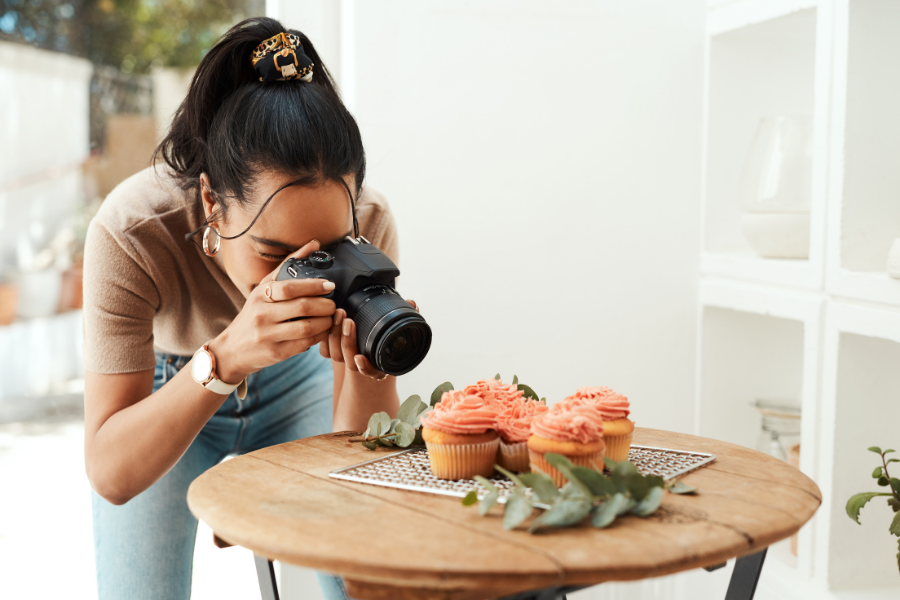
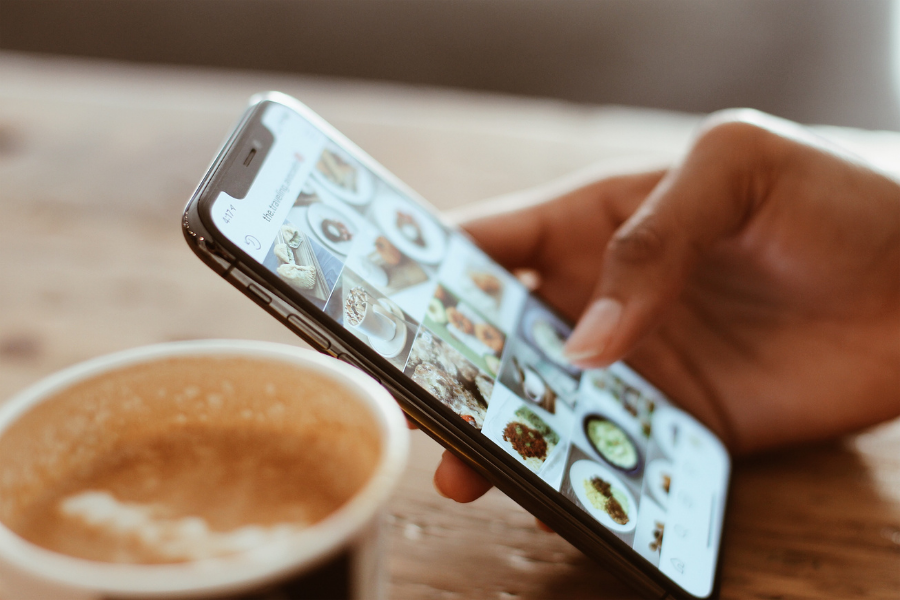
Taking a quick, poorly lit phone photo and posting it “just to get something up” is more damaging (and useless) than skipping a post altogether. Studies show that high-quality visuals can increase engagement by up to 2x, while low-quality imagery decreases perceived brand value. In fact, over 60% of consumers say food presentation on social media influences where they choose to dine. Food looks bad EASILY. If you can’t capture the dish properly, pivot. Post your specials menu in stories. Share behind-the-scenes prep. But don’t post something that weakens your brand.
▪ Not Investing in Professional Photography
In an era where Instagram is a visual search engine, not investing in professional food photography is a major misstep. Restaurants that use professionally shot images report higher engagement rates and stronger click-through performance on ads than those using user-generated or rushed content. Budget for professional shoots 2–3 times per year. Work with experienced food photographers who understand lighting, composition, negative space, and brand storytelling. Your food deserves to look as good online as it tastes in person.
▪ Lack of Content Variety
Platforms reward diverse formats. Meta reports that accounts using a mix of photos, carousels, reels, and stories see stronger overall reach than those relying on a single content type. Your feedshould include:
• Static images
• Reels (when appropriate)
• Graphics with simple messaging
• Behind-the-scenes moments
• Community highlights
Consistency in branding + variety in execution = stronger algorithm performance.
▪ Believing “Reels Reign Supreme.”
Yes, short-form video drives reach. But “sensory overload” is real. Research shows that users are increasingly valuing authenticity and clarity over high-volume video production. You can absolutely win with:
• One powerful image
• A compelling caption
• Clean, well-designed artwork
Not every message needs to spin, jump, or trend.
▪ Not Posting About Others
Over 70% of consumers say they prefer brands that feel connected to their community. If your platform only talks about you, you’re missing a massive engagement opportunity. Share:
• Fellow restaurants' news
• Events you’re participating in
• Vendors
• Community news
Collaboration expands reach. Isolation shrinks it.
▪ Posting TOO Much (The biggest culprit on social media)
More is not better. Data suggests that posting 3–5 times per week yields stronger engagement rates for hospitality brands than daily posting. Posting more than once a day often results in diminished reach per post and follower fatigue. Flooding feeds dilutes your message and can lead to unfollows. Produce better content - you won't need to post so much.
▪ Not Investing in a Social Media Manager
Social media is not plug-and-play. Meta’s backend "machine" is constantly changes and its tools are not always intuitive. Get someone on board who can navigate the intricacies of social media and produce solid content on your behalf.
▪ Misguided, Misused, or Underused Ads
1) Opening Without an Ad Budget
Over 80% of consumers research a restaurant online (including social media, sites, and digital platforms) before visiting, and new businesses that invest in hyper-local paid ads experience significantly faster brand awareness growth than those relying solely on organic reach. Organic reach alone now averages under 5% of followers on many platforms. If you’re opening a restaurant without a dedicated monthly ad budget, you’re limiting your visibility from day one.
2) Boosting the Wrong Posts
Not every post deserves ad dollars. Paid promotion should amplify content that is:
• Beautifully executed
• Newsworthy
• Entertaining
• Promotional with a clear call-to-action
Throwing money behind mediocre content does not fix it.
3) Running Ads Too Briefly
Ads require time for optimization. Campaigns generally need at least 7 days for Meta’s algorithm to properly test and optimize delivery. Promoting something happening tomorrow is not effective — and a waste of money.
Let's wake things up!